If you’re planning a renovation, understanding tile installation cost can help you budget with confidence. The final price depends on the tile type, room size, labor, surface prep, and design complexity.
Tile Installation Cost Overview
Tile installation cost usually falls into a wide range because every project is different. Simple ceramic tile jobs are often more affordable, while premium options like porcelain, mosaic, or natural stone can cost more to install.
In most cases, homeowners pay for both materials and labor. If the subfloor needs leveling, old tile removal, or waterproofing, the total cost rises quickly.
Cost by tile type
Different tile types affect the budget in different ways. Here’s a simple breakdown of common choices:
- Ceramic tile: Budget-friendly, easy to install.
- Porcelain tile: Durable and slightly more expensive.
- Subway tile: Popular for walls and backsplashes.
- Mosaic tile: Decorative, but labor-intensive.
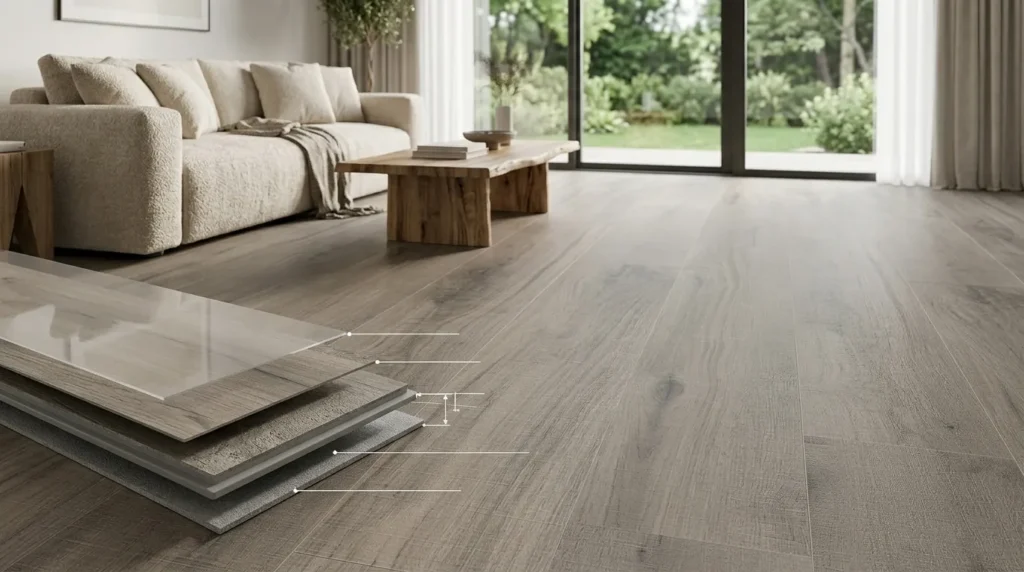
- Wood-look porcelain plank: Stylish and often higher in labor cost.
- Full-body porcelain tile: Strong and suitable for heavy-use areas.
- Nano vitrified tile: Low maintenance and good for modern interiors.
Why tile type matters
Tile thickness, weight, and cutting difficulty all affect installation time. For example, mosaic sheets need more precision, while large-format tiles require careful leveling.
What Affects Labor Cost
Labor is often the biggest variable in tile installation cost. Installers may charge more for complex layouts, wet areas, or patterns that require extra cutting.
Main cost factors
- Room size and square footage.
- Tile shape and size.
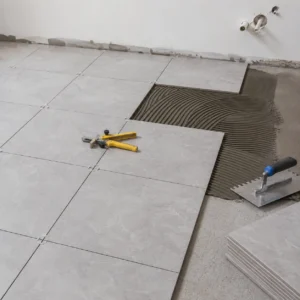
- Surface preparation needs.
- Grout, adhesive, and underlayment.
- Pattern style such as herringbone or diagonal.
- Bathroom or kitchen waterproofing requirements.
Cost differences by project
Project Type | Cost Impact | Notes |
Floor tile installation | Moderate | Usually faster on open spaces |
Bathroom tile installation | Higher | Needs waterproofing and detailed cutting |
Kitchen backsplash | Lower to moderate | Smaller area, but detail work adds labor |
Mosaic tile feature wall | Higher | Time-consuming and precise |
Best Ways to Save Money
You can lower tile installation cost without sacrificing quality. The key is to choose the right materials and plan the project carefully.
Smart money-saving tips
- Choose ceramic or standard porcelain for large areas.
- Keep the layout simple to reduce labor hours.
- Remove old flooring yourself if it is safe to do so.
- Buy 10% extra tile to avoid last-minute matching issues.
- Get at least three contractor quotes.
- Install premium tile only in focal areas.
Common mistakes to avoid
- Ignoring subfloor repairs.
- Buying tile before measuring accurately.
- Choosing slippery tile for bathrooms.
- Forgetting grout, trim, and waste costs.
- Hiring the cheapest installer without checking reviews.
FAQ Section
How much does tile installation cost per square foot?
Tile installation cost per square foot varies based on tile type, room prep, and labor complexity. Simple jobs cost less, while premium or detailed installations cost more.
Is porcelain more expensive to install than ceramic?
Yes, porcelain often costs more to install because it is denser and harder to cut. However, it also offers better durability and long-term value.
Conclusion
Tile installation cost depends on the tile type, labor, and project details. If you compare materials carefully and plan for prep work, you can stay on budget and get a better finish.
Start with the right tile type, request multiple quotes, and focus on long-term durability. That approach helps you spend wisely and avoid surprise costs.