If you’re planning a renovation, you’ve probably already seen SPC flooring in a few showrooms. It looks like real wood or stone, it’s waterproof, and installers love it. Then comes the obvious question: what will SPC flooring cost once it’s actually in your home?
The honest answer is that it depends. SPC flooring cost isn’t one number. It’s the sum of several smaller decisions: the product you choose, the condition of your floor, the size of the room, and who installs it. Once you understand those pieces, it gets much easier to compare quotes and spot a fair one.
This guide covers everything that affects the total installation cost, and where you can save money without cutting corners.
What Is SPC Flooring?
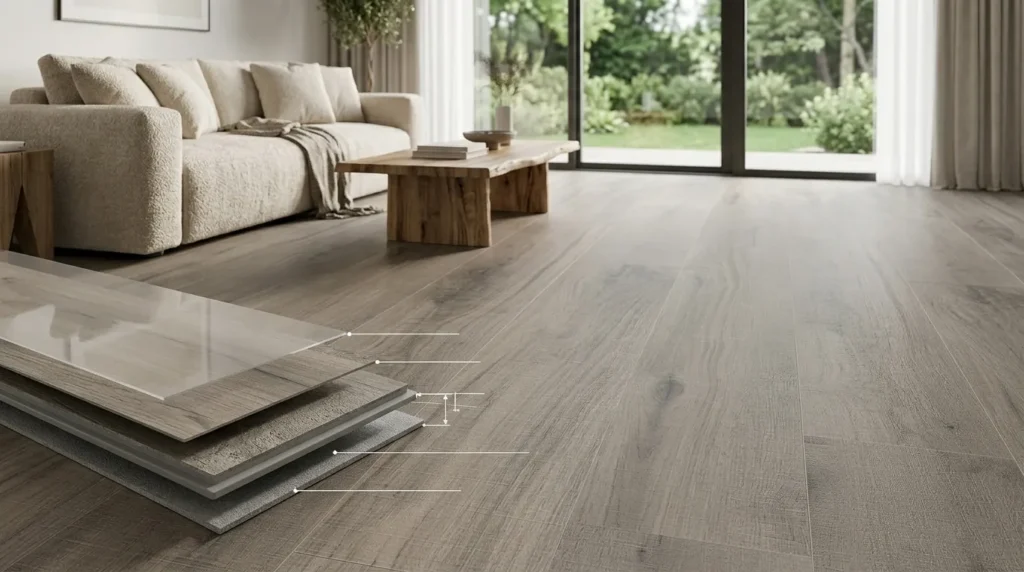
SPC stands for Stone Plastic Composite. It’s a type of rigid core vinyl flooring built around a dense core of limestone powder, PVC, and stabilizers. That core is what makes it so stable. It doesn’t swell, warp, or expand much when temperatures change.
On top of the core sits a printed design layer (the wood or stone look) and a clear wear layer that protects against scratches and daily traffic. Most planks click together, so no glue is needed.
The Two Parts of Your Total SPC Flooring Cost
Almost every project splits into two buckets:
- Material cost: the planks themselves, plus underlayment (if needed), trims, and accessories.
- Installation cost: labor, subfloor preparation, removal of old flooring, and finishing work.
Many people only budget for the first bucket and get surprised by the second. Let’s go through both.
What Affects the Material Cost?
1. Plank thickness
SPC planks usually range from about 3.5 mm to 8 mm. Thicker planks feel more solid underfoot and hide minor subfloor imperfections better, but they cost more to produce.
2. Wear layer
The wear layer is the clear protective top coating, measured in mil (or mm). A thicker wear layer handles heavy traffic better, which is why commercial spaces choose higher ratings. For a quiet bedroom, a lighter wear layer is often enough. Paying for more wear layer than your room needs is one of the most common ways people overspend.
3. Design and finish quality
A basic wood-look plank and a high-definition embossed-in-register finish with realistic texture are priced differently. The more realistic the grain, the higher the cost.
4. Attached underlayment
Some SPC planks come with a pad already attached. This adds a little to the product cost but usually saves you from buying and installing a separate underlayment. It also helps with sound and comfort.
5. Brand, certifications, and warranty
Products with strong warranties and low-emission certifications tend to cost more, and they’re worth it for homes with kids, pets, or allergy concerns.
6. Order quantity and wastage
You’ll need to order extra to cover cuts and mistakes, generally 5% to 10% more than your measured area. Complex layouts or diagonal patterns need more. This extra is part of your real material cost, so include it.
What Affects the Installation Cost?
This is where quotes can differ the most.
Labor
Installers price by the square foot or square meter, or sometimes by the job. Labor rates vary a lot by country, city, and season, and an experienced installer who does it right the first time is usually better value than the cheapest quote.
Subfloor preparation
This is the biggest hidden cost. SPC is more forgiving than most floors, but it still needs a flat, clean, dry surface. If your subfloor has dips, cracks, or moisture problems, it must be leveled or repaired first. Skipping this step leads to gaps, clicking sounds, and joint failure later.
Removing the old floor
Tearing out carpet, tile, or old vinyl takes time, and disposal adds to the bill. If you can lay SPC directly over existing tile (when it’s flat and in good condition), you may avoid this cost completely. Always confirm with your installer first.
Room size and layout
Large, open rooms are quicker and cheaper per square foot to install than small, cut-heavy spaces like bathrooms, closets, and hallways. Stairs are almost always priced separately because they take much more time.
Moving furniture
Some installers include this, others charge extra. Ask upfront.
Trims, skirting, and transitions
Baseboards, quarter-round, reducers, and stair nosing all add to the final total. They’re easy to forget and they do matter.
SPC Flooring Cost vs. Other Flooring Types
Comparing SPC to alternatives helps put your budget in context:
- SPC vs. LVP (standard vinyl plank): SPC generally costs a bit more because of its rigid core, but it’s more dent-resistant and stable.
- SPC vs. laminate: SPC is fully waterproof, laminate is not. Over time, SPC often wins on long-term value in kitchens and bathrooms.
- SPC vs. hardwood: Hardwood usually costs significantly more to buy and install, needs refinishing, and reacts to humidity. SPC gives you the look with far less upkeep.
- SPC vs. ceramic tile: Tile installation is labor-heavy (cutting, grouting, curing time). SPC installs faster, which can lower the total project cost.
DIY vs. Professional Installation
SPC’s click-lock system is one of the easiest to install on the market, which is why many homeowners try it themselves. DIY can reduce the labor portion of your cost, but be realistic:
DIY makes sense if:
- The subfloor is already flat and dry
- The room is a simple rectangle
- You have basic tools (utility knife, tapping block, spacers, saw)
Hire a professional if:
- You need subfloor leveling or moisture treatment
- You’re covering a large area or multiple rooms
- Your layout includes stairs, angles, or many cuts
- You want the product warranty fully protected (some warranties require professional installation)
How to Save on SPC Flooring Installation (Without Hurting Quality)
- Measure accurately and don’t over-order. Use a simple room calculator and add only the recommended wastage.
- Pick the right wear layer for the room. Match durability to real use.
- Choose planks with attached underlayment to avoid buying it separately.
- Prepare the room yourself. Clearing furniture and removing baseboards can reduce labor time.
- Get at least three written quotes and make sure each one lists the same scope: prep, removal, trims, and cleanup.
- Buy everything from the same batch to avoid color differences and reorder problems.
- Install during off-peak months when installers are less busy.
Questions to Ask Before You Accept a Quote
- Does the quote include subfloor prep and leveling?
- Is old flooring removal and disposal included?
- Are trims and transitions included?
- Is furniture moving included?
- What does the installer’s own workmanship warranty cover?
- What happens if extra problems appear once the old floor is removed?
A clear, itemized quote protects you from surprise charges later.
Does SPC Flooring Save Money in the Long Run?
Looking only at the upfront figure misses half the story. SPC is waterproof, scratch-resistant, and needs no sanding, waxing, or refinishing. Cleaning is as simple as sweeping and damp mopping. Because it lasts for many years and handles busy households well, many owners find the long-term cost of ownership lower than that of materials that need regular upkeep or early replacement.
Planning Bulk or Project Orders?
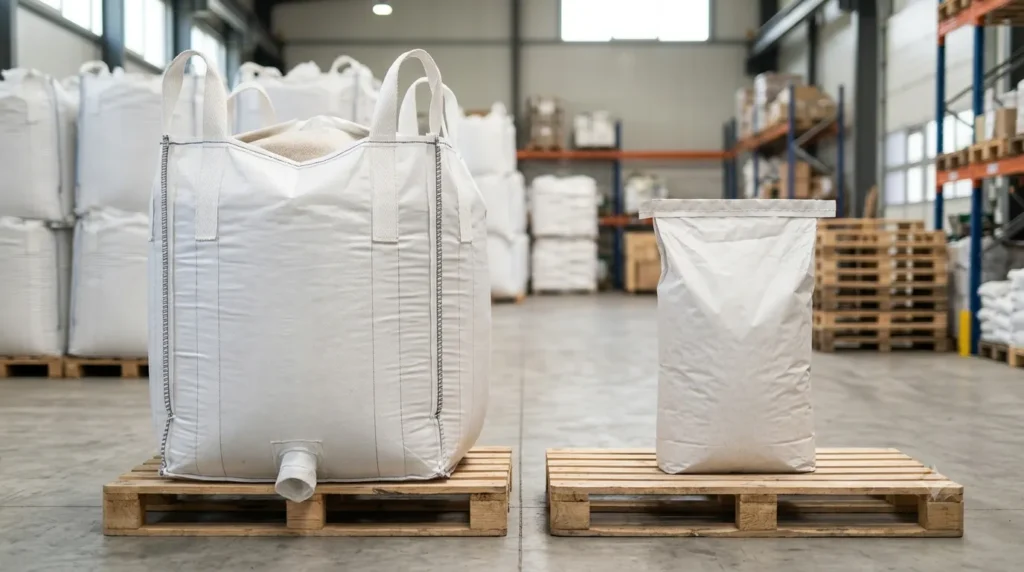
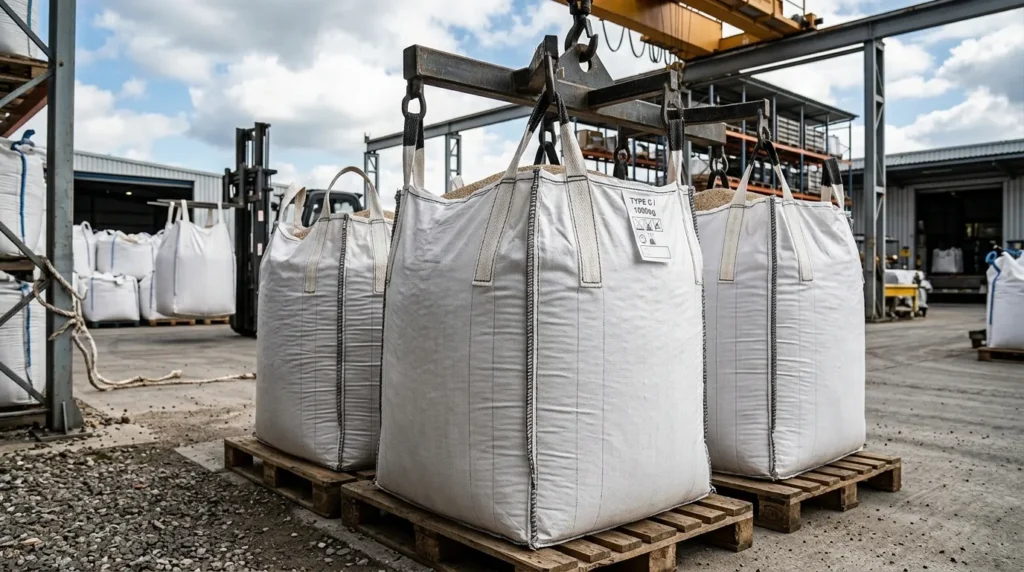
If you’re a contractor, builder, retailer, or developer, project size changes the picture. Larger orders often come with better pricing structures, consistent batches, and planned delivery schedules. Our team supports international buyers with export-ready packaging and shipping coordination. Contact us with your project size and destination and we’ll prepare a tailored quotation.
Quick Checklist for Estimating Your SPC Flooring Project
- Measure each room and add wastage
- Decide on thickness and wear layer
- Check your subfloor condition
- Decide whether the old floor stays or goes
- List trims and transitions
- Choose DIY or professional installation
- Collect at least three itemized quotes
Frequently Asked Questions
How much does SPC flooring cost to install?
The total depends on material grade, plank thickness, wear layer, subfloor condition, room size, and local labor rates. The best way to know your exact figure is to measure your space and request itemized quotes.
Is SPC flooring cheaper than hardwood?
In most markets, yes. Both the material and the installation are typically more affordable than solid hardwood, and you save on future refinishing.
Can I install SPC flooring myself?
Yes. The click-lock system is DIY-friendly if your subfloor is flat and dry. Complex layouts or damaged subfloors are better left to professionals.
Do I need underlayment for SPC flooring?
Not if your planks have a pre-attached pad. Otherwise, a compatible underlayment is recommended for comfort and sound. Check the manufacturer’s guidelines.
Can SPC flooring be installed over existing floors?
Often it can go over smooth, flat tile or vinyl. Carpet must be removed. Always check the product guidelines first.
How long does SPC flooring last?
With normal care, many years. Lifespan depends on wear layer quality and the level of traffic in the room.
Is SPC flooring good for kitchens and bathrooms?
Yes. Its core is waterproof, so it handles spills and humidity well. Just seal the edges and manage standing water as per the manufacturer’s advice.
Final Thoughts
SPC flooring cost comes down to a handful of clear factors: product specs, subfloor condition, room layout, and labor. Once you understand them, you can set a realistic budget, compare quotes confidently, and avoid hidden extras. Spend where it counts (a proper subfloor and a skilled installer) and save where it doesn’t (excess wear layer or over-ordering).
Ready to start? Browse our SPC flooring range, or request a custom quote and our team will help you plan the right solution for your space.