Choosing a new floor is one of the biggest decisions in any home project. It affects how your space looks, how it feels underfoot, and how much maintenance you do for the next 10 to 20 years. Two of the most popular options today are SPC and laminate, and they look quite similar on the showroom floor.
So what is the real difference between SPC vs laminate flooring? In short, SPC is better for water resistance, durability and heavy use. Laminate is better for underfoot comfort and a lower upfront price in dry rooms. Below we break down every factor so you can decide with confidence.
Quick answer: If you want a waterproof, dent-resistant floor for kitchens, bathrooms, basements or busy family homes, choose SPC. If your budget is tight and the room stays dry, laminate can work well.
What Is SPC Flooring?
SPC stands for Stone Plastic Composite. It is a rigid-core vinyl floor built in layers:
- Wear layer: a clear protective top coat that resists scratches and stains
- Decorative layer: a high-definition print that replicates wood, stone or tile
- SPC core: a dense mix of limestone powder, PVC and stabilizers
- Backing layer: often an attached underpad for sound reduction
Because the core is mineral-based and has no wood fibre, it does not absorb water or swell. If you want to see real options, browse our SPC flooring collection.
What Is Laminate Flooring?
Laminate is a multi-layer synthetic floor made of:
- Wear layer: a tough overlay (rated by AC grade)
- Photographic layer: a printed image of wood or stone
- HDF core: high-density fibreboard made from compressed wood fibres
- Backing layer: a moisture-balancing base
It has been popular for decades because it delivers a wood look at a modest price. Its wood-based core, however, is what makes it vulnerable to moisture. For background on the product category, see laminate flooring on Wikipedia.
SPC vs Laminate Flooring: Quick Comparison Table
Feature | SPC Flooring | Laminate Flooring |
Core material | Limestone and PVC composite | High-density fibreboard (wood fibre) |
Water resistance | 100% waterproof core | Water-resistant at best, can swell |
Durability | Very high, dent and scratch resistant | Good, but can chip or peel at edges |
Typical thickness | 4–7 mm (plus underpad) | 8–12 mm |
Comfort underfoot | Firm, slightly cooler | Softer, warmer feel |
Wet areas (kitchen, bathroom) | Suitable | Not recommended |
Maintenance | Very easy, damp mop | Easy, but avoid excess water |
Installation | Click-lock, DIY friendly | Click-lock, DIY friendly |
Upfront cost | Mid-range | Usually lower |
Lifespan | Long, often 15–25+ years | Moderate, often 10–20 years |
Lifespan varies with product quality, wear layer thickness and how well the floor is maintained.
1. Water Resistance
This is the biggest difference between the two.
SPC has a mineral-rich core that does not absorb water. Spills, humidity and mopping will not make planks swell or warp. That makes it a smart choice for kitchens, bathrooms, laundry rooms, basements and homes in humid or monsoon-prone regions.
Laminate has a fibreboard core. If water seeps through the seams and stays there, the core can swell and the edges can lift permanently. Some laminates have water-resistant coatings, but they are not truly waterproof.
Winner: SPC
2. Durability and Scratch Resistance
SPC’s rigid core is very dense, so it resists dents from heavy furniture and high foot traffic. A good wear layer protects against scratches from pets and daily use.
Laminate has a hard surface and performs well in normal use, especially at higher AC ratings (AC3 and above for home use). It is more prone to chipping at edges, and once the surface is damaged, it can let moisture into the core.
Winner: SPC, particularly for homes with kids, pets or heavy traffic.
3. Comfort and Feel Underfoot
Laminate is thicker and usually feels slightly softer and warmer. It also tends to sound more like real wood when walked on, though cheaper boards can sound hollow without a good underlay.
SPC feels firmer and a little cooler. Many SPC planks come with an attached underpad, which improves comfort and reduces noise, but it is still a firmer floor overall.
Winner: Laminate (slightly)
4. Appearance and Design Choices
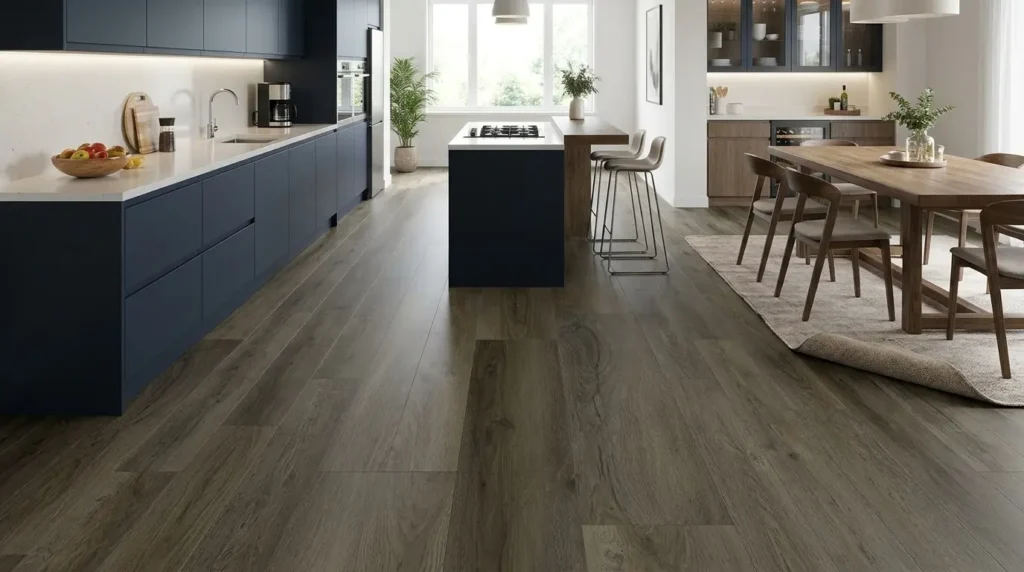
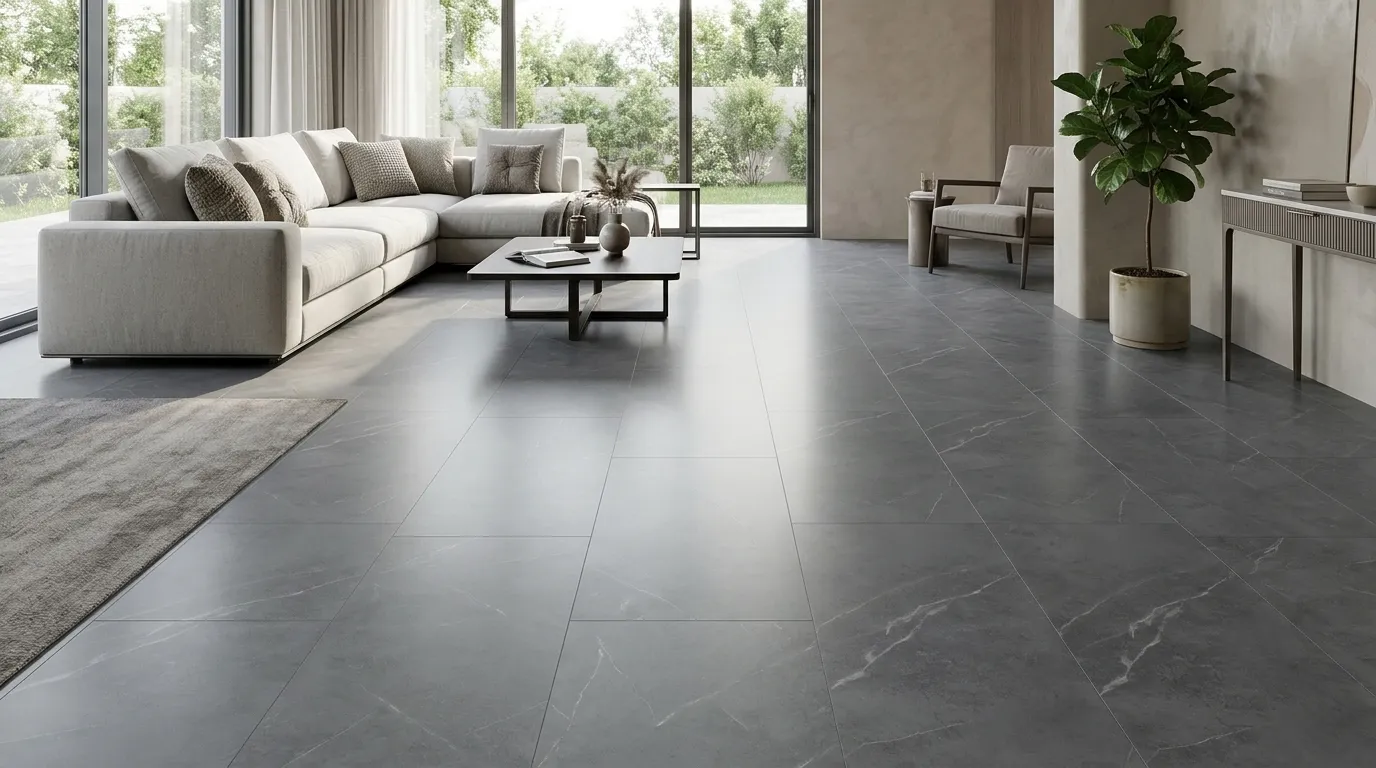
Both floors offer realistic wood and stone looks. Modern SPC uses high-definition printing and embossed textures that closely mimic natural oak, walnut and marble. Laminate is strong here too, with a wide range of plank styles and finishes.
In practice, design is not a deciding factor. You will find a good look in either product, so choose based on performance first and then pick the shade and texture you love.
Winner: Tie
5. Installation
Both use click-lock systems that can be installed as a floating floor over most flat, clean subfloors.
- SPC is more forgiving on small subfloor imperfections because of its rigid core and flexible-yet-stable structure.
- Laminate needs a flatter, drier subfloor and a proper moisture barrier underlay.
Leave an expansion gap around the edges for either floor, and follow the manufacturer’s instructions.
Winner: SPC (slightly easier in real-world conditions)
6. Maintenance and Cleaning
SPC needs only sweeping or vacuuming, plus an occasional damp mop. It does not need polishing or sealing, and it handles spills easily.
Laminate is also simple to clean, but you should wipe up spills quickly and avoid wet mopping or steam cleaners, since moisture can damage the core.
Winner: SPC
7. Cost: SPC vs Laminate
Laminate is usually cheaper upfront. SPC costs a bit more per square foot, but it can save money over time because it is less likely to need early repair or replacement due to water damage or wear.
When you compare cost, look at the whole picture:
- Material cost per square foot
- Underlay (often included with SPC)
- Installation labour
- Expected lifespan and repair risk
Winner: Laminate for upfront cost, SPC for long-term value
8. Resale Value and Long-Term Value
Buyers increasingly expect waterproof, low-maintenance flooring. A durable SPC floor in the kitchen, living areas and bathrooms is an attractive feature when you sell or rent out a property.
Which Flooring Is Best for Each Room?
Room | Best Choice | Why |
Kitchen | SPC | Handles spills and humidity |
Bathroom | SPC | Waterproof core |
Living room | SPC or laminate | Both perform well |
Bedroom | Laminate or SPC | Laminate is slightly warmer |
Basement | SPC | Resists moisture |
Commercial or high-traffic areas | SPC | Better wear performance |
Dry, low-traffic rooms on a budget | Laminate | Lower cost |
Pros and Cons Summary
SPC Flooring
- 100% waterproof core
- Dent and scratch resistant
- Suitable for every room
- Low maintenance and long lifespan
- Firmer and cooler underfoot
- Slightly higher upfront cost
Laminate Flooring
- Affordable
- Warm, comfortable feel
- Wide variety of styles
- Core swells if exposed to water
- Not suitable for bathrooms or kitchens
- Edges can chip or peel over time
Frequently Asked Questions
Is SPC flooring better than laminate?
For most homes, yes. SPC is waterproof, more durable and suitable for all rooms. Laminate is cheaper but less resistant to moisture.
Is SPC flooring 100% waterproof?
The SPC core is waterproof and will not swell. Water can still pass through the seams, so wipe up large spills and make sure the installation is done properly.
Can laminate flooring be used in a bathroom or kitchen?
It is generally not recommended. Moisture can damage the fibreboard core and cause swelling. SPC is a safer choice for these rooms.
Which is more durable, SPC or laminate?
SPC is generally more durable thanks to its dense, rigid core and strong wear layer, especially in busy households.
Is SPC or laminate more comfortable to walk on?
Laminate feels slightly softer and warmer. SPC feels firmer, though an attached underpad improves comfort.
Which is cheaper, SPC or laminate?
Laminate usually costs less upfront. SPC often delivers better long-term value because it lasts longer and resists water damage.
How long does SPC flooring last?
With good quality and proper care, SPC commonly lasts 15 to 25 years or more, depending on the wear layer and traffic.
Can SPC flooring be installed over existing floors?
In many cases yes, as long as the existing floor is flat, clean and dry. Always check the manufacturer’s guidelines.
So, Which Is Better: SPC or Laminate?
For most homes, SPC flooring is the better choice. It is waterproof, tougher, easier to maintain and flexible enough to be used in every room, including areas where laminate would be risky. Laminate remains a reasonable option if you are on a tight budget and the space is dry and low-traffic.
If you want a floor that handles real life, including spills, pets, kids and humidity, SPC gives you more peace of mind.
Ready to see what SPC looks like in your home? Explore our SPC flooring range and find a style that fits your space.