The uses of ceramic fiber blanket go far beyond a single furnace wall. This lightweight, flexible insulation material handles extreme temperatures, resists thermal shock and cuts energy loss, which is why plants, workshops and even homeowners rely on it. If you are wondering what a ceramic fiber blanket is actually used for, this guide covers the 10 most common applications, how to pick the right grade, and the safety steps you should never skip.
Quick answer: Ceramic fiber blanket is mainly used for furnace and kiln lining, boiler and pipe insulation, heat-treatment ovens, foundry and metal processing, expansion joints and seals, and heat shields. At home it is used, with precautions, in wood stoves, fireplaces, pizza ovens and DIY forges.
What Is a Ceramic Fiber Blanket?
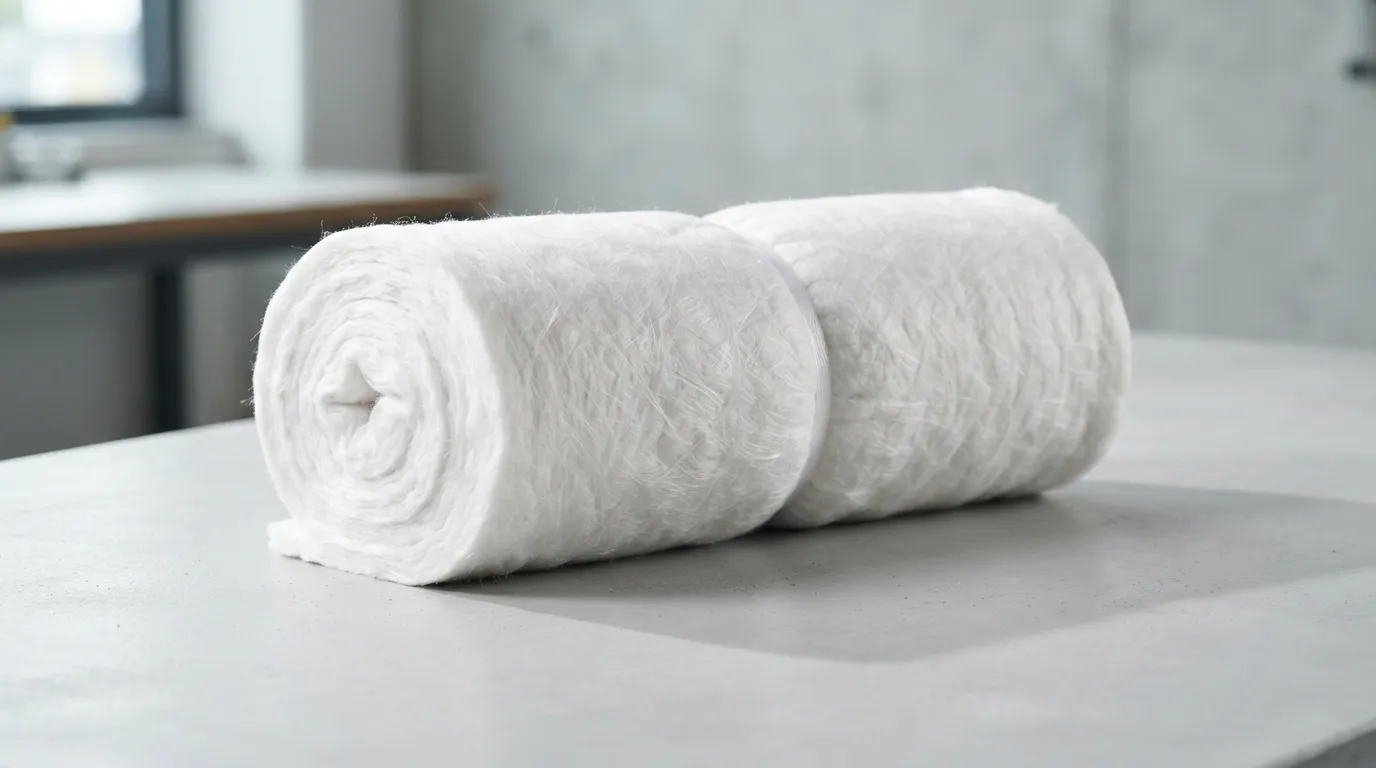
A ceramic fiber blanket is a soft, needle-punched mat made from alumina-silica fibers. The fibers are produced by melting raw materials and spinning or blowing them into fine strands, which are then felted into rolls. The result is a material that looks like thick felt but behaves like a heat barrier. It is one form of thermal insulation, and one of the most efficient for very high temperatures.
Common market specifications include:
- Temperature grades: standard and high-purity grades are commonly rated up to about 1260°C, and zirconia-containing grades go up to about 1430°C.
- Density: typically 64, 96 or 128 kg/m³. Higher density means better strength and lower heat transfer at high temperatures.
- Thickness: commonly 6 mm to 50 mm, supplied in rolls.
Exact figures vary by manufacturer, so always confirm them on the product data sheet. You can review the full range on our ceramic fiber blanket and insulation products page.
Why Ceramic Fiber Blanket Works So Well
- Very low thermal conductivity, so less heat escapes and fuel use drops.
- Low heat storage, so furnaces heat up and cool down faster.
- Lightweight and flexible, so it wraps around curves and is easy to cut on site.
- Excellent thermal shock resistance, so it survives rapid temperature swings.
- Good chemical stability against most acids, alkalis and gases (except hydrofluoric and phosphoric acid and strong alkalis).
10 Common Uses of Ceramic Fiber Blanket
# | Application | Setting |
1 | Furnace lining and backup insulation | Industrial |
2 | Kiln insulation | Industrial / Craft |
3 | Boiler and heat-recovery insulation | Industrial |
4 | Heat-treatment ovens | Industrial |
5 | Foundry and metal processing | Industrial |
6 | Pipe, duct and exhaust wrapping | Industrial / Commercial |
7 | Expansion joints, gaskets and seals | Industrial |
8 | Fire protection and heat shields | Industrial / Commercial |
9 | Wood stoves, fireplaces and pizza ovens | Home |
10 | DIY forges and hobby kilns | Home / Workshop |
1. Furnace Lining and Backup Insulation
This is the number one use. Layers of ceramic fiber blanket are fitted on furnace walls and roofs, either as the hot-face lining or as backup insulation behind brick and castable. Because the blanket is light, the furnace shell carries less weight, and lower heat storage means shorter heat-up cycles and real fuel savings. For tougher hot faces, many plants combine blanket with ceramic fiber boards, modules and refractory bricks in a single lining system.
2. Kiln Insulation
Pottery, ceramic, lime, cement and brick kilns all lose heat through their walls and doors. A blanket lining holds that heat in, evens out temperature inside the chamber and shortens firing time. Studios often wrap blanket around kiln shells, while factories use it for car-kiln seals and door linings.
3. Boiler and Heat-Recovery Insulation
Boiler walls, doors, flues and heat-recovery units run hot all day. Ceramic fiber blanket reduces surface temperature, improves boiler efficiency and keeps operators safer around hot casings. Its flexibility makes it ideal for awkward corners, access doors and expansion gaps.
4. Heat-Treatment Ovens
Annealing, tempering, hardening and stress-relieving ovens need accurate, repeatable temperatures. Blanket lining responds quickly to heating and cooling, so batches finish faster and energy use per cycle falls. It also copes well with the repeated thermal cycling these ovens see.
5. Foundry and Metal Processing
In foundries, ceramic fiber blanket covers ladles and launders, lines furnace lids and doors, and protects equipment close to molten metal. Always choose a grade suited to the metal being handled (for example, non-wetting grades for molten aluminium) and follow your supplier’s guidance.
6. Pipe, Duct and Exhaust Wrapping
High-temperature pipes, flue ducts, turbine casings and exhaust lines are commonly wrapped in blanket and secured with stainless steel wire or mesh, then often finished with a metal jacket. The wrap cuts heat loss, controls surface temperature and protects nearby cables and instruments.
7. Expansion Joints, Gaskets and Seals
Metal and brickwork expand when hot. Strips of ceramic fiber blanket packed into expansion joints absorb that movement without cracking, while cut gaskets and rope-style seals close gaps around doors, burner blocks, peepholes and flanges. Bulk fiber is also used here for stuffing irregular voids.
8. Fire Protection and Heat Shields
Because the blanket does not burn, it is used as a thermal barrier behind firewalls, around critical cables, and as a heat shield between hot equipment and sensitive parts. Workshops also use it for welding protection and as a removable cover for hot components during maintenance.
9. Wood Stoves, Fireplaces and Pizza Ovens (Home Use)
At home, ceramic fiber blanket is popular for insulating wood-fired pizza ovens and for stove and fireplace upgrades. A blanket layer under the oven floor or dome keeps heat in, so the oven reaches temperature sooner and stays hot for longer. For stoves and fireplaces, it is often used as baffle or liner insulation. Make sure the fiber is fully covered by a finish layer such as render, brick or metal so loose fibers are never exposed to the living space.
10. DIY Forges and Hobby Kilns (Home and Workshop Use)
Hobby blacksmiths, glass artists and ceramic makers commonly line small forges and kilns with one or two layers of blanket. It is quick to cut and shape, heats up fast and keeps gas and fuel costs low. Many builders coat the hot face with a rigidizer or refractory coating to lock the fibers in place and extend service life.
How to Choose the Right Ceramic Fiber Blanket
A wrong grade wastes money or shortens lining life, so match the blanket to the job:
- Operating temperature: pick a grade rated comfortably above your maximum working temperature, not at the limit.
- Density: use 64 kg/m³ for general backup insulation, 96 kg/m³ for a balanced choice, and 128 kg/m³ for hot faces with gas flow, vibration or higher strength needs.
- Thickness and layers: two thinner layers with staggered joints usually outperform one thick layer.
- Atmosphere and chemistry: consider alkali, acid, molten metal contact or reducing gases before ordering.
- Form: blanket for wrapping and flexible lining; boards for rigid panels; modules for fast furnace installs; bulk for filling.
- Quantity and packing: share roll size, volume and destination so pricing and shipping are quoted correctly.
When you contact a supplier, have these details ready: product type, size, thickness, density, grade, application, operating temperature, quantity and packing preference. Our team can review them and recommend the right option. You can also browse specifications and size charts in our downloadable catalogues.
Ceramic Fiber Blanket Safety: What You Must Know
Refractory ceramic fibers are classed as a suspected carcinogen through inhalation in several regions, and dust is the main concern during cutting, installation and removal. Occupational agencies such as NIOSH have published a detailed criteria document on refractory ceramic fiber exposure, and the EU maintains a fact page on refractory ceramic fibres with exposure limits and control measures.
Practical precautions:
- Wear a suitable respirator, gloves, long sleeves and safety goggles when cutting or handling.
- Cut with a sharp knife in a ventilated area and keep dust low.
- Clean with a vacuum or wet wipe. Never use compressed air or dry sweeping.
- Cover or encapsulate installed blanket so fibers do not shed into occupied spaces.
- Dispose of waste in sealed bags according to local rules.
- At home, check local building and fire codes and keep installations enclosed.
This article is general information, not a substitute for the product Safety Data Sheet or professional advice.
Frequently Asked Questions
What is ceramic fiber blanket used for?
Ceramic fiber blanket is used for furnace and kiln lining, boiler and pipe insulation, heat-treatment ovens, expansion joints, seals, thermal barriers and heat shields. Smaller home projects include wood stoves, pizza ovens and DIY forges.
What is the maximum temperature of ceramic fiber blanket?
Standard and high-purity grades are commonly rated up to about 1260°C, while zirconia grades can reach about 1430°C. Always check the data sheet for the exact classification and recommended continuous service temperature.
Can ceramic fiber blanket be used at home?
Yes, it is used in pizza ovens, stoves, fireplaces and hobby forges. Because loose fibers can be harmful if inhaled, wear protective gear during installation and keep the blanket fully covered afterwards.
What is the difference between ceramic fiber blanket and ceramic fiber board?
Blanket is flexible and ideal for wrapping and flexible lining. Board is rigid and holds its shape, so it suits panels, backup insulation and heat shields. Many systems use both.
Which density should I choose: 64, 96 or 128 kg/m³?
Use 64 kg/m³ for general backup insulation, 96 kg/m³ for most standard linings, and 128 kg/m³ where strength, gas velocity or vibration are concerns.
Does Handmada supply ceramic fiber blanket for export?
Yes. Handmada supports global buyers with specifications, documentation, packing details and shipment coordination, and sample information is available on request. Send your requirement through our contact page.
Conclusion
From furnace and kiln lining to boiler wraps, expansion joints and home pizza ovens, the uses of ceramic fiber blanket all come down to one thing: keeping heat where you want it. Choose the right grade, density and thickness for your operating temperature, install it with proper safety, and it will cut energy use and extend equipment life for years.
Looking for a reliable supplier? Explore the full ceramic fiber product range, learn more about Handmada International, or request a quote and samples today. For more industry guides, visit our blog.